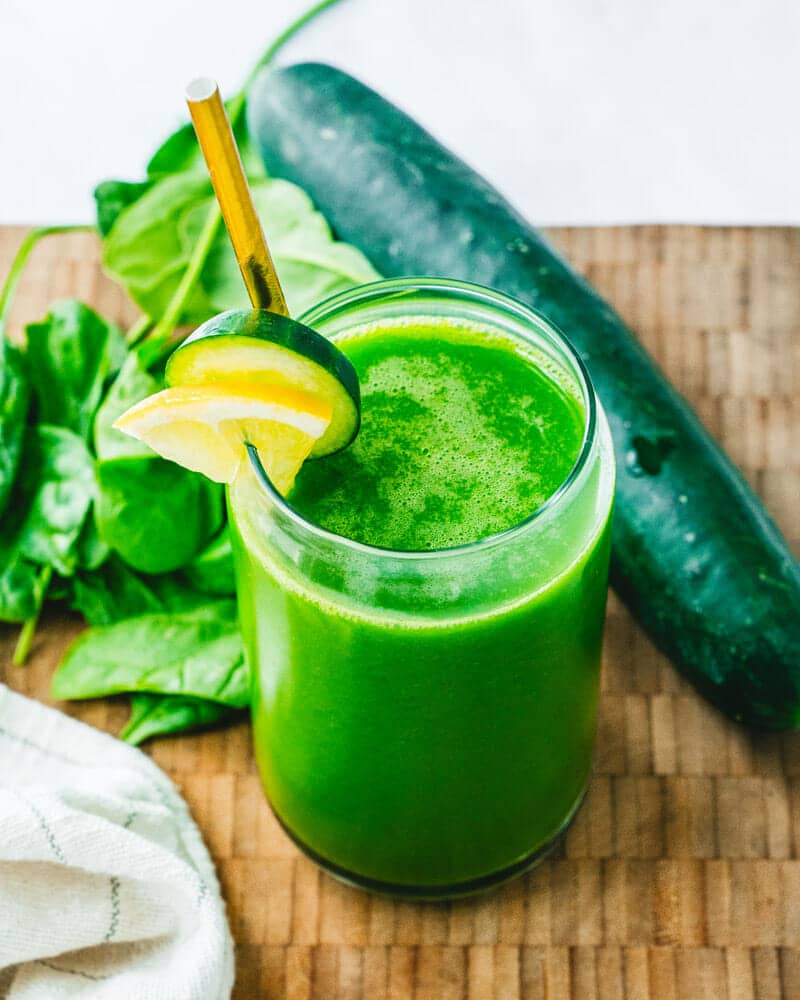
Why Blend Your Green Juice? Unlock Fiber for Optimal Gut Health
Green juice has long been celebrated as a cornerstone of a healthy lifestyle, often perceived as a quick and convenient way to pack essential nutrients into your diet. From bustling grocery stores to serene yoga studios, these vibrant concoctions are ubiquitous. While their "health halo" is well-deserved, not all green juices are created equal. The method you choose to prepare your green juice makes a significant difference, particularly when it comes to maximizing its benefits for fiber intake and, by extension, your gut health. If you're looking for a potent green juice recipe that truly delivers, blending is the secret ingredient.
The Fiber Factor: Why Blending Wins Over Juicing
When it comes to preparing your leafy greens and vibrant fruits, you typically have two main options: juicing or blending. While both methods extract nutrients, they fundamentally differ in how they treat the produce's fibrous components. This difference is crucial for your health.
A traditional juicer works by separating the liquid from the solid pulp, effectively removing much of the valuable fiber. While you still get a concentrated dose of vitamins, minerals, and phytonutrients, you miss out on one of the most significant benefits of consuming fruits and vegetables: their fiber content. On the other hand, blending involves pulverizing the entire fruit and vegetable (minus non-edible parts like tough skins or seeds), integrating all the fiber into your drink. This means you consume the whole food, just in liquid form.
Why is this fiber so important? Fiber plays a multifaceted role in our bodies:
- Satiety and Weight Management: Fiber adds bulk to your drink, helping you feel fuller for longer. This can prevent overeating and make your green juice a more satisfying snack or even a component of a meal. Without fiber, a juice can be quickly metabolized, leaving you hungry shortly after.
- Digestive Health: Dietary fiber is essential for a healthy digestive system. It aids in regular bowel movements, preventing constipation and promoting overall gut regularity.
- Prebiotic Power: Perhaps one of fiber's most remarkable roles is its function as a prebiotic. Prebiotics are non-digestible food components that selectively stimulate the growth and activity of beneficial bacteria in your colon. These "good bacteria" in your gut, collectively known as the microbiome, are vital for numerous bodily functions, including nutrient absorption, immune system modulation, and even aspects of mental health. By feeding these beneficial microbes, a fiber-rich blended green juice helps cultivate a thriving gut environment, contributing to overall physical and mental well-being.
- Blood Sugar Regulation: The presence of fiber in your blended green juice helps to slow down the absorption of sugars into your bloodstream. This prevents rapid spikes and crashes in blood sugar, offering more sustained energy compared to a fiber-stripped juice. This is particularly important when fruits are included in your green juice recipe.
Navigating Sweetness: Balancing Fruit and Veggies in Your Green Juice Recipe
While fruits are undeniably healthy and packed with vitamins, they also contain natural sugars. When crafting your green juice recipe, it's vital to be mindful of the fruit-to-vegetable ratio, especially if you're blending multiple sweet fruits at once. Combining an orange, an apple, and pineapple into a single drink, for instance, can result in a significant sugar load, even if it's natural sugar.
To strike a healthy balance, consider these tips:
- Prioritize Greens: Aim for a higher proportion of vegetables, especially dark leafy greens like spinach, kale, and romaine lettuce. These are nutrient-dense with minimal sugar.
- Be Selective with Fruit: Choose lower-sugar fruits like berries, green apples, or a small amount of pear. Use fruits sparingly, perhaps just one serving per large juice, to enhance flavor without excessive sweetness.
- Natural Sweeteners (in moderation): If you need an extra touch of sweetness, a tiny amount of honey, a few dates, or a natural sugar substitute like stevia can be added. Remember, even honey is a sugar, so use it judiciously.
- Flavor Boosters: Instead of relying solely on fruit for flavor, experiment with ingredients like lemon or lime juice for brightness, ginger for a zesty kick, or mint for a refreshing note. These add complex flavors without adding sugar.
- Assess Your Needs: Consider whether your green juice is intended as a light snack or a more substantial part of a meal. If it's a meal replacement, you might incorporate healthy fats (like a quarter of an avocado or chia seeds) or protein powder, which also helps with satiety and slows sugar absorption. For more guidance on healthy blends and sugar tips, you might find our Green Juice Guide: Healthy Blends, Sugar Tips & Key Benefits insightful.
Beyond Fiber: A Nutrient Powerhouse for Overall Health
While fiber is a major advantage of blended green juices, it's far from the only benefit. These vibrant drinks are rich sources of an array of essential vitamins, minerals, and phytonutrients that perform a multitude of wonderful functions for your health:
- Vitamins A and C: Dark green vegetables are particularly excellent sources of Vitamin A (often in the form of beta-carotene), a powerful antioxidant crucial for vision, immune function, and skin health. Vitamin C, abundant in many greens and citrus additions like lemon, is another vital antioxidant that supports immune health and collagen production.
- Potassium: Many green juice ingredients, especially leafy greens and cucumbers, provide potassium, an electrolyte critical for maintaining fluid balance, nerve signals, and muscle contractions, including those of the heart.
- Phytonutrients and Antioxidants: Beyond the well-known vitamins, fruits and vegetables are packed with thousands of phytonutrients – natural plant compounds that have protective or disease-preventing properties. These often act as potent antioxidants, combating oxidative stress and inflammation in the body, which are linked to chronic diseases.
- Hydration: With high water content from ingredients like cucumber, celery, and the added liquid, blended green juices contribute significantly to your daily hydration needs, which is fundamental for every bodily process.
Incorporating a blended green juice into your routine, whether as a refreshing morning pick-me-up or a nutrient-dense snack, can be a simple yet effective way to boost your intake of these vital components and support overall health.
Crafting Your Perfect Blended Green Juice Recipe: Tips and Ideas
Creating your own blended green juice recipe is not only healthy but also incredibly rewarding. The beauty of blending is its versatility – you can customize your drink to your taste preferences and nutritional needs. Here are some tips and inspiring combinations to get you started:
Essential Blending Tips:
- High-Speed Blender: For the smoothest consistency, a high-speed blender is highly recommended. It breaks down tough fibers more effectively.
- Wash Produce Thoroughly: Always wash all your fruits and vegetables under cold running water to remove dirt and potential residues. Patting dry leafy greens can help prevent clumping.
- Chop for Success: Cut harder fruits and vegetables (like apples, pears, and cucumbers) into smaller pieces to ensure easier and more even blending.
- Layering: Start with liquids (water, coconut water) and softer ingredients (spinach, mint) at the bottom of the blender, then add harder items, and finally ice if desired.
Inspiring Green Juice Recipe Blends:
- The Classic Refresh: Spinach, Apple, and Lemon
This is an excellent beginner green juice recipe. Combine 2 cups of fresh spinach, 1 cored and chopped apple (green apple for less sweetness), 1/2 juiced lemon, and 1 cup of cold water. Blend until silky smooth. A touch of ginger can add a pleasant zing.
- Detox Dynamo: Kale, Cucumber, and Ginger
For a more detox-focused blend, mix 2 cups of tightly packed kale, 1 large chopped cucumber, 1-inch peeled ginger, and 1/2 peeled lemon. Add 1 cup of cold water. This combination is incredibly hydrating and rich in cleansing nutrients.
- Green Goddess Delight: Celery, Pear, and Mint
Try a refreshing blend with 2 cups of chopped celery, 1 ripe pear (cored and chopped), 1 cup of spinach, 1/2 juiced lemon, a small piece of peeled ginger, and 1 cup of cold water. A handful of fresh mint leaves will elevate the flavor, making this a truly invigorating drink.
- Tropical Twist: Pineapple, Spinach, and Coconut Water
For a sweeter, more tropical experience, blend 1 cup of fresh pineapple chunks, 2 cups of spinach, and 1 cup of unsweetened coconut water. A squeeze of lime can balance the sweetness beautifully. Remember to keep pineapple portions moderate due to its sugar content.
Feel free to experiment with different combinations, adjusting quantities to your liking. Don't be afraid to add ingredients like a tablespoon of chia seeds for extra fiber and omega-3s, or a scoop of plant-based protein powder to make your green juice a more complete and satisfying meal. For more ideas and detailed instructions on various blends, check out our comprehensive guide to Delicious Green Juice Recipes: Easy Blends for Beginners.
Conclusion
Embracing blended green juices is a powerful step towards enhanced well-being. By choosing to blend rather than juice, you harness the full spectrum of nutrients, including the invaluable fiber that fuels your gut, keeps you feeling full, and supports stable blood sugar. While it's important to balance fruit content to manage sugar, a well-crafted blended green juice recipe offers a concentrated dose of vitamins, minerals, and potent antioxidants. So, next time you crave a healthy pick-me-up, reach for your blender. Your gut, and your whole body, will thank you for it.
